



Shoe care products
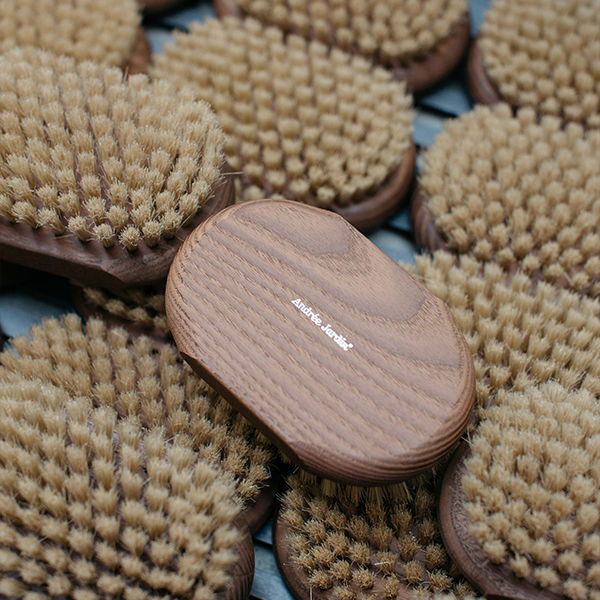
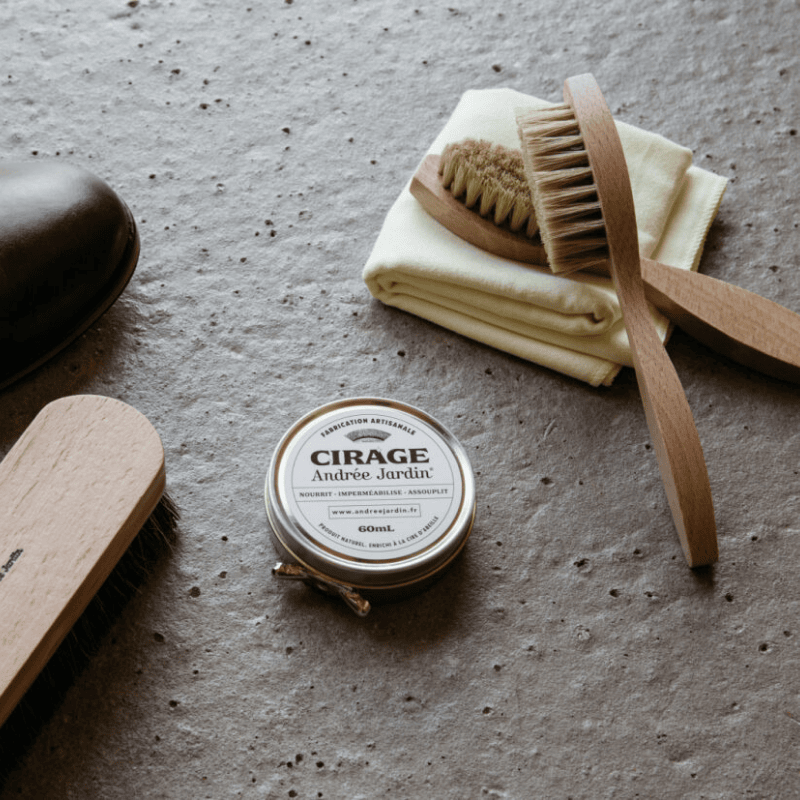
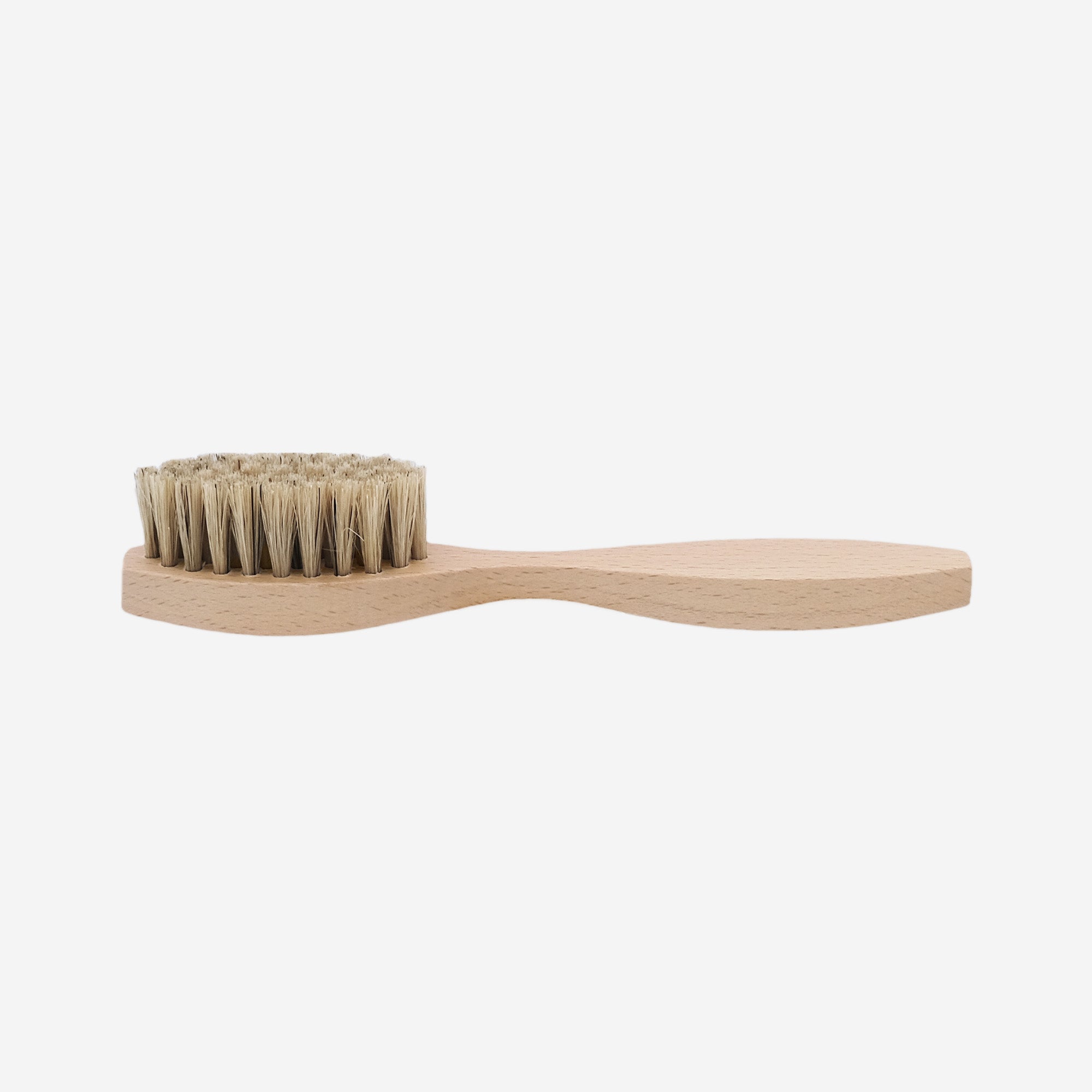
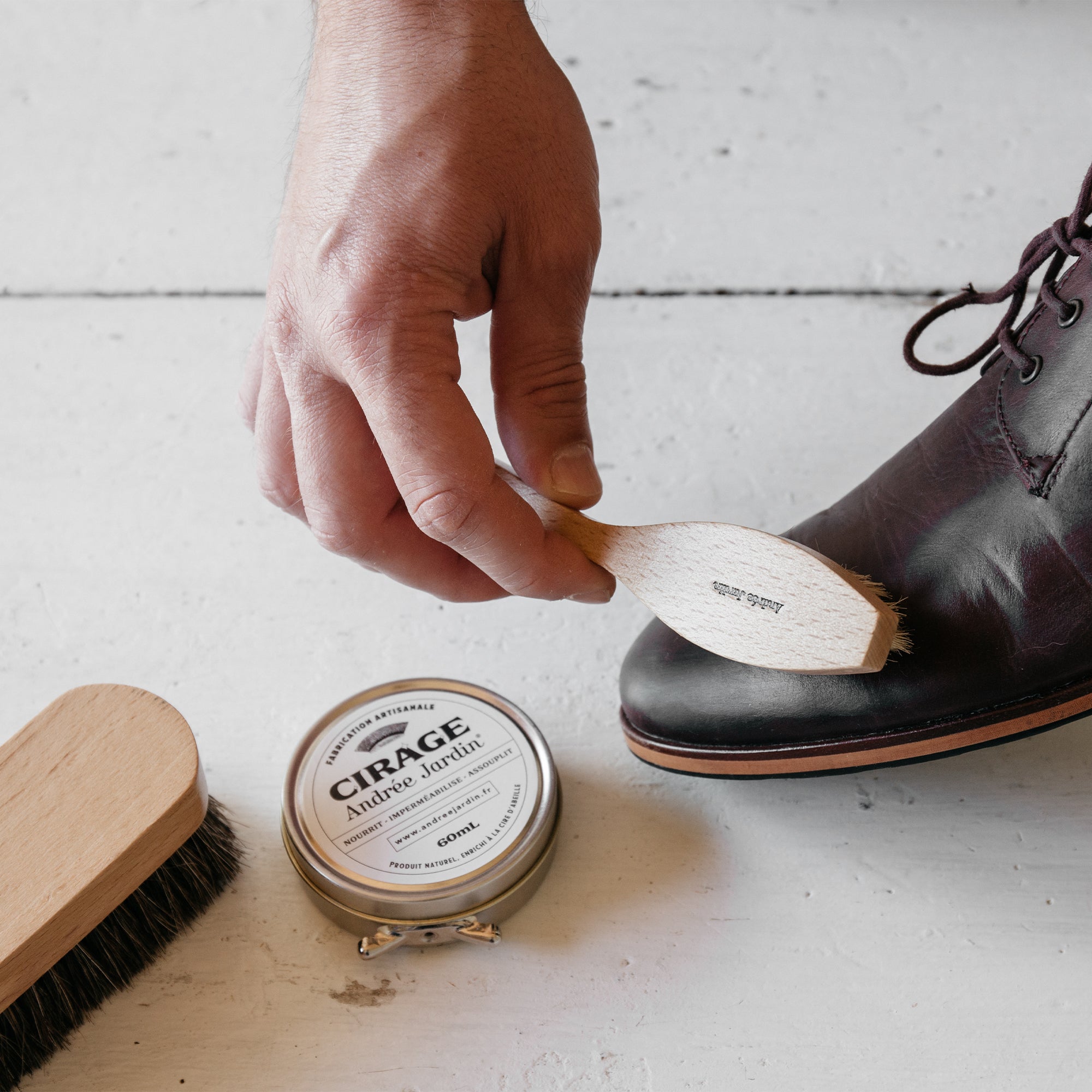
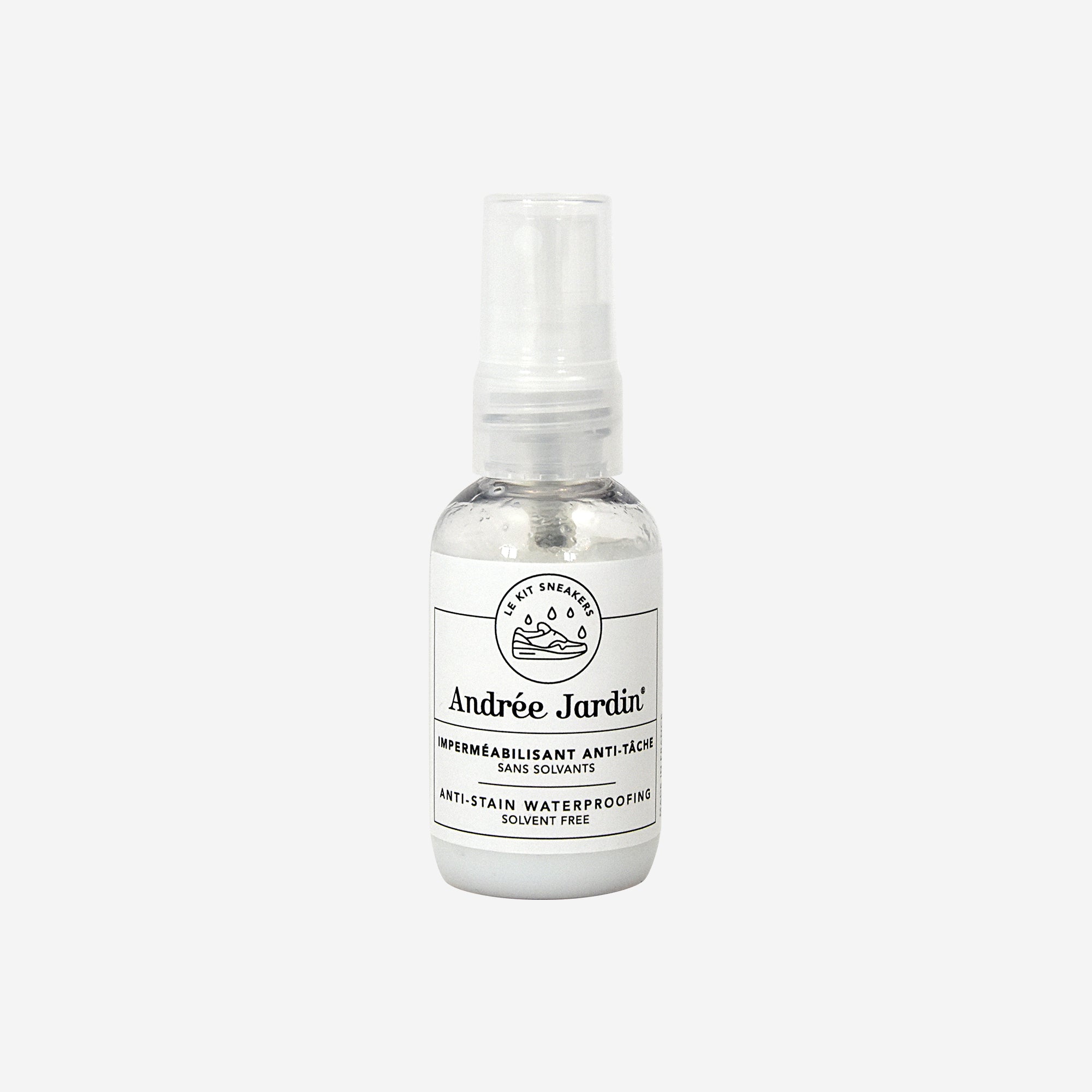
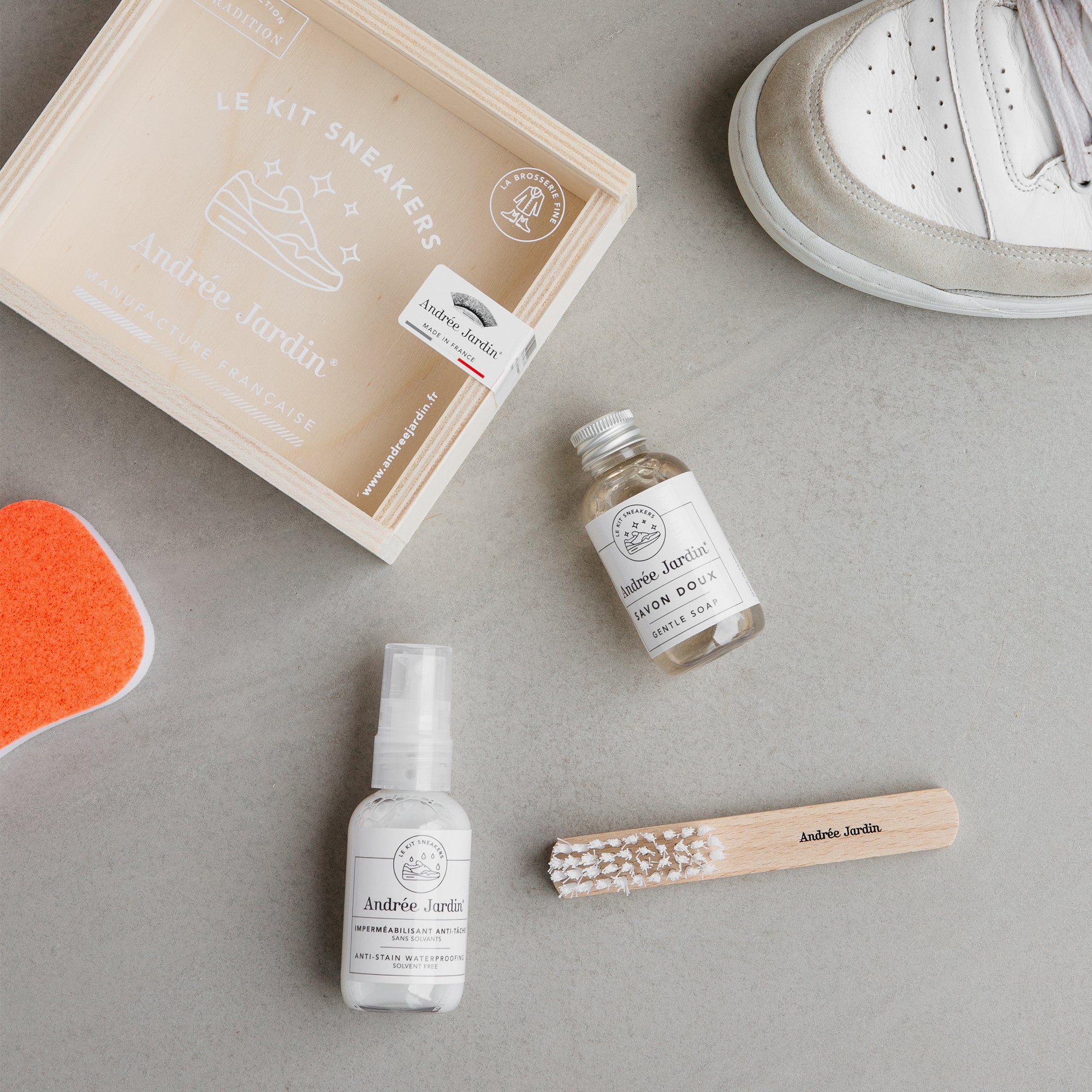
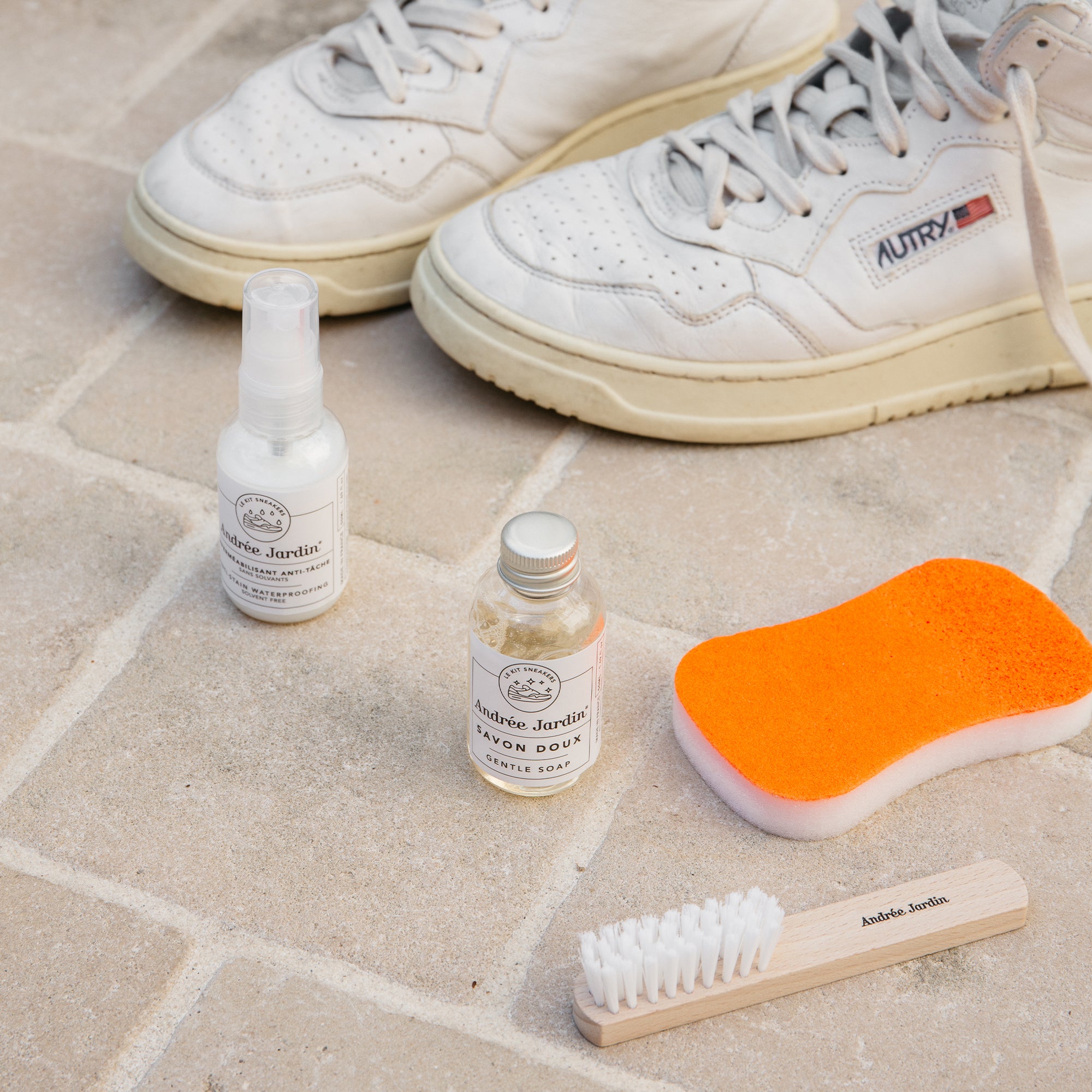
Take care of your shoes with quality care products. Whether you're cleaning your sneakers, conditioning the leather with polish, or protecting them from moisture, discover our selection of accessories: brushes, soaps, waterproofing sprays, and complete kits. Choose products made in France, designed to extend the life of your shoes while respecting the materials.
Leather: A living material that needs care
Leather is a natural material that evolves over time. Used for shoes, bags, or furniture, it develops a patina, softens, and builds character with use. However, without proper care, leather can dry out, dull, or crack. Unlike synthetic materials, it requires regular maintenance to retain its suppleness and original appearance. Each type of leather reacts differently:
- smooth leather needs nourishment and protection
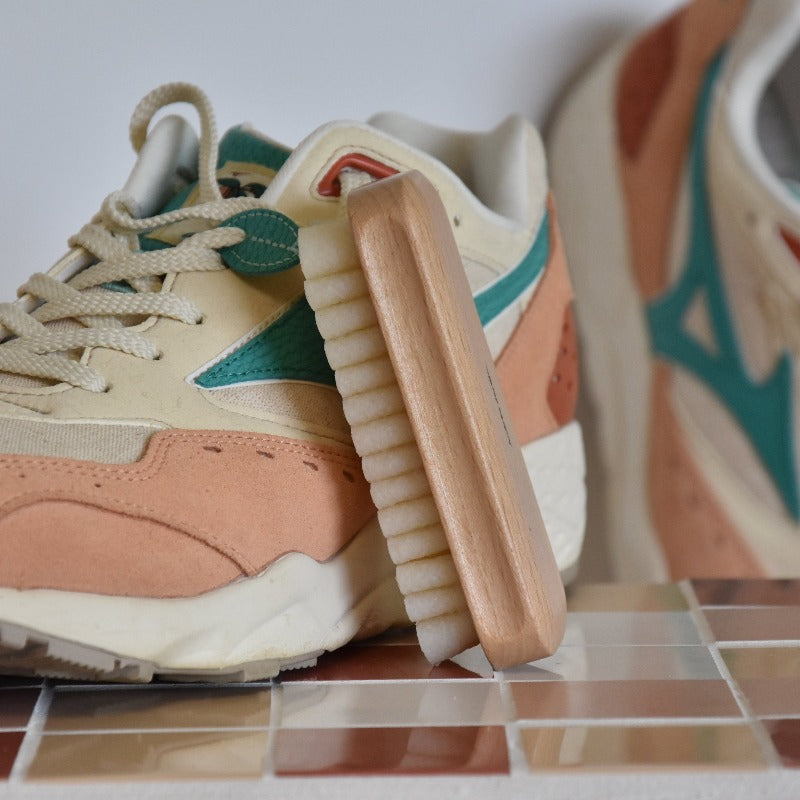
- suede or nubuck requires more delicate care
- thick or aged leathers need appropriate cleaning
Proper leather care therefore extends the lifespan of your items while respecting the material.
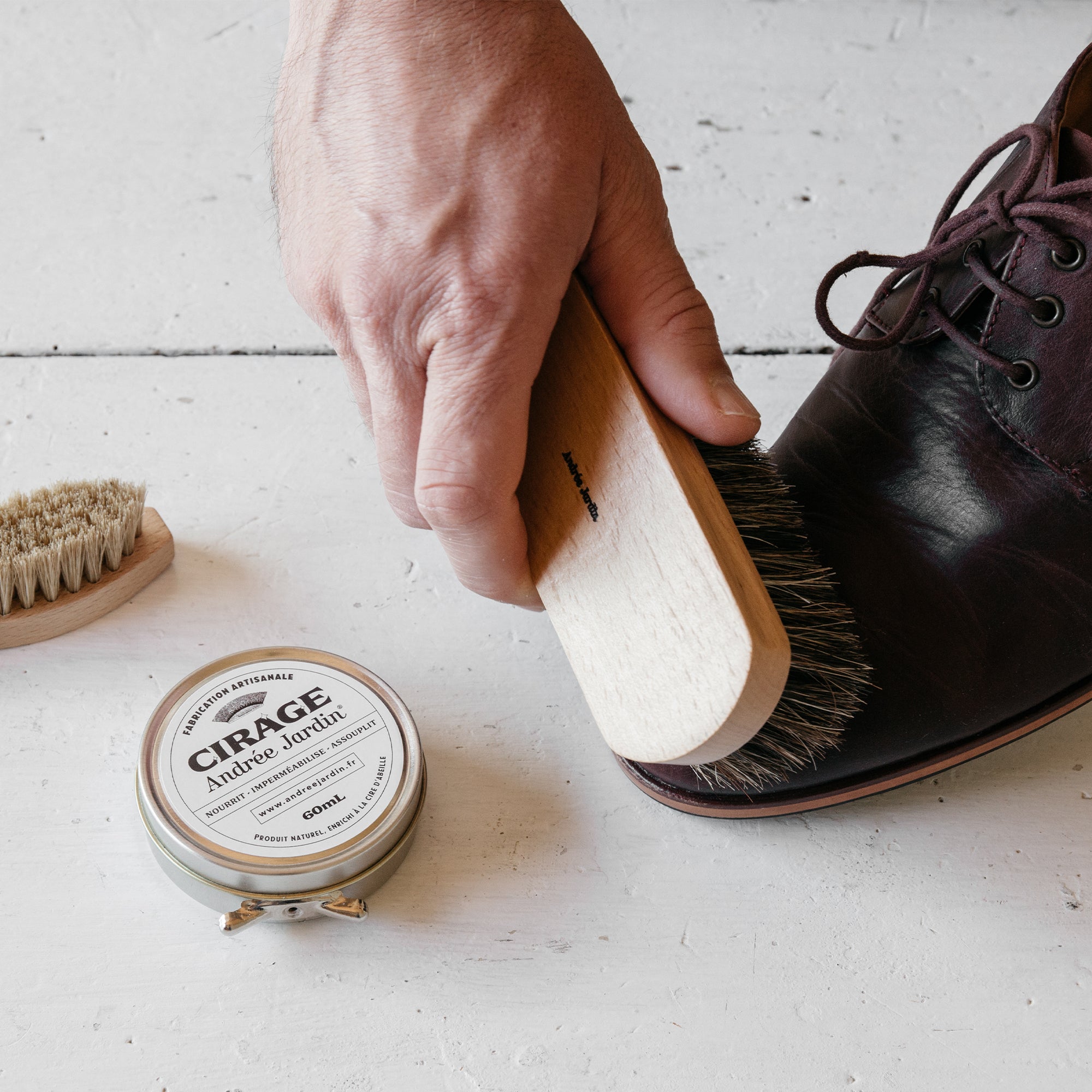
Cleaning and maintaining leather: best practices
Before conditioning or protecting leather, it is essential to clean it. Applying a product to dirty leather could cause impurities to penetrate deeply.
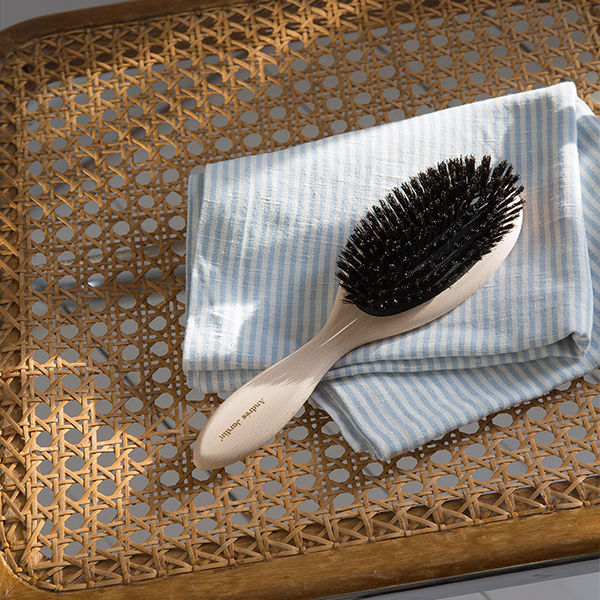
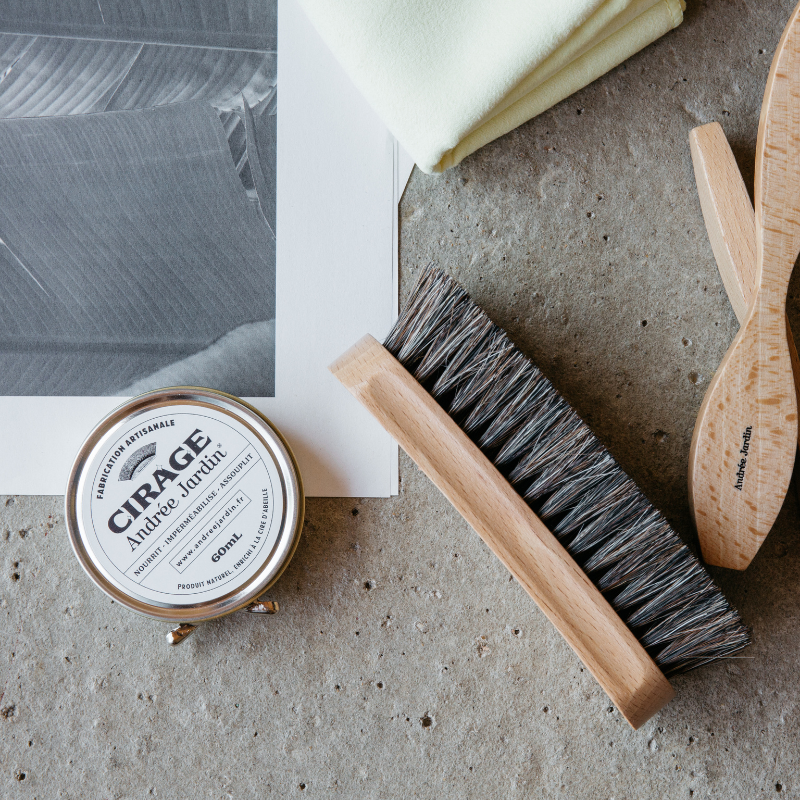
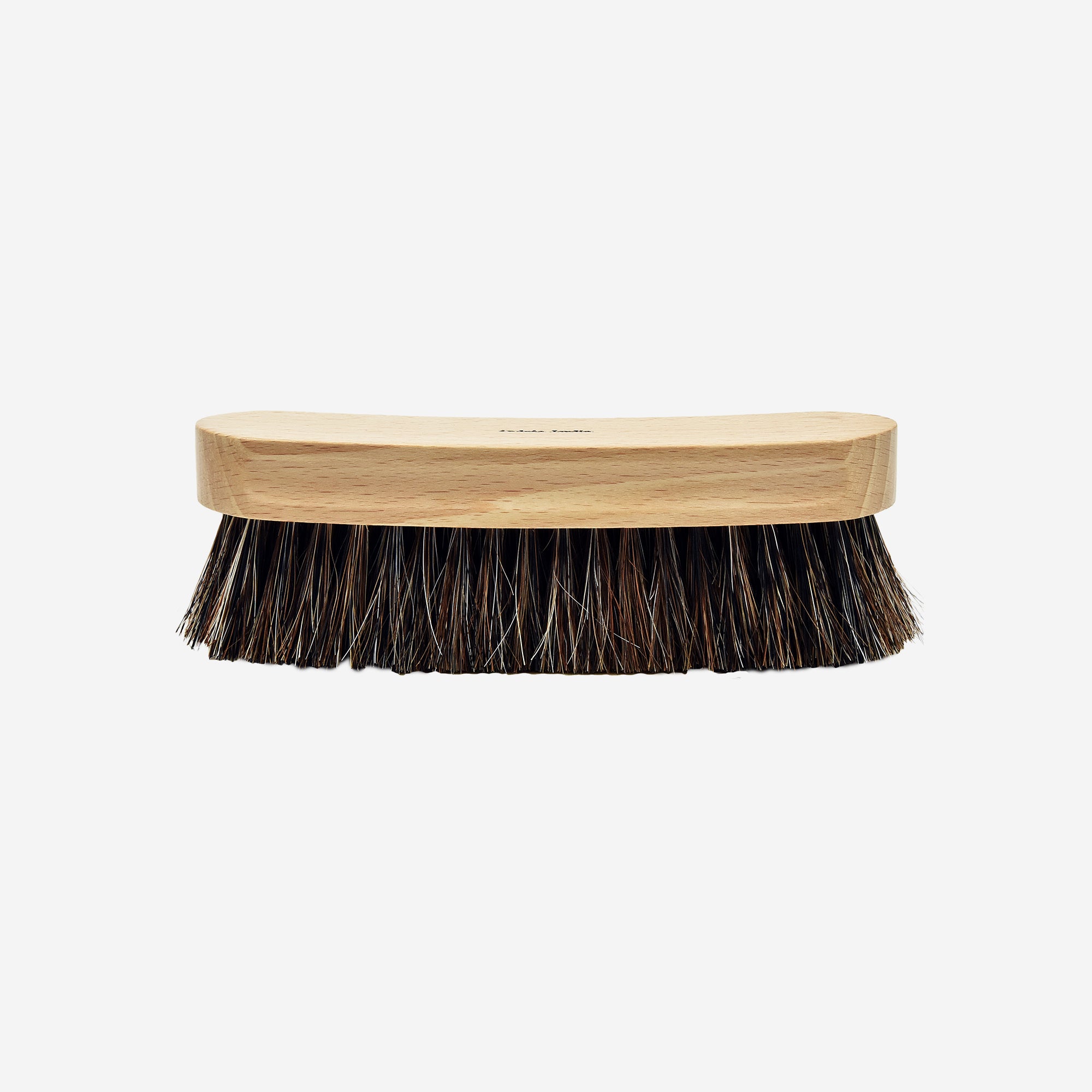
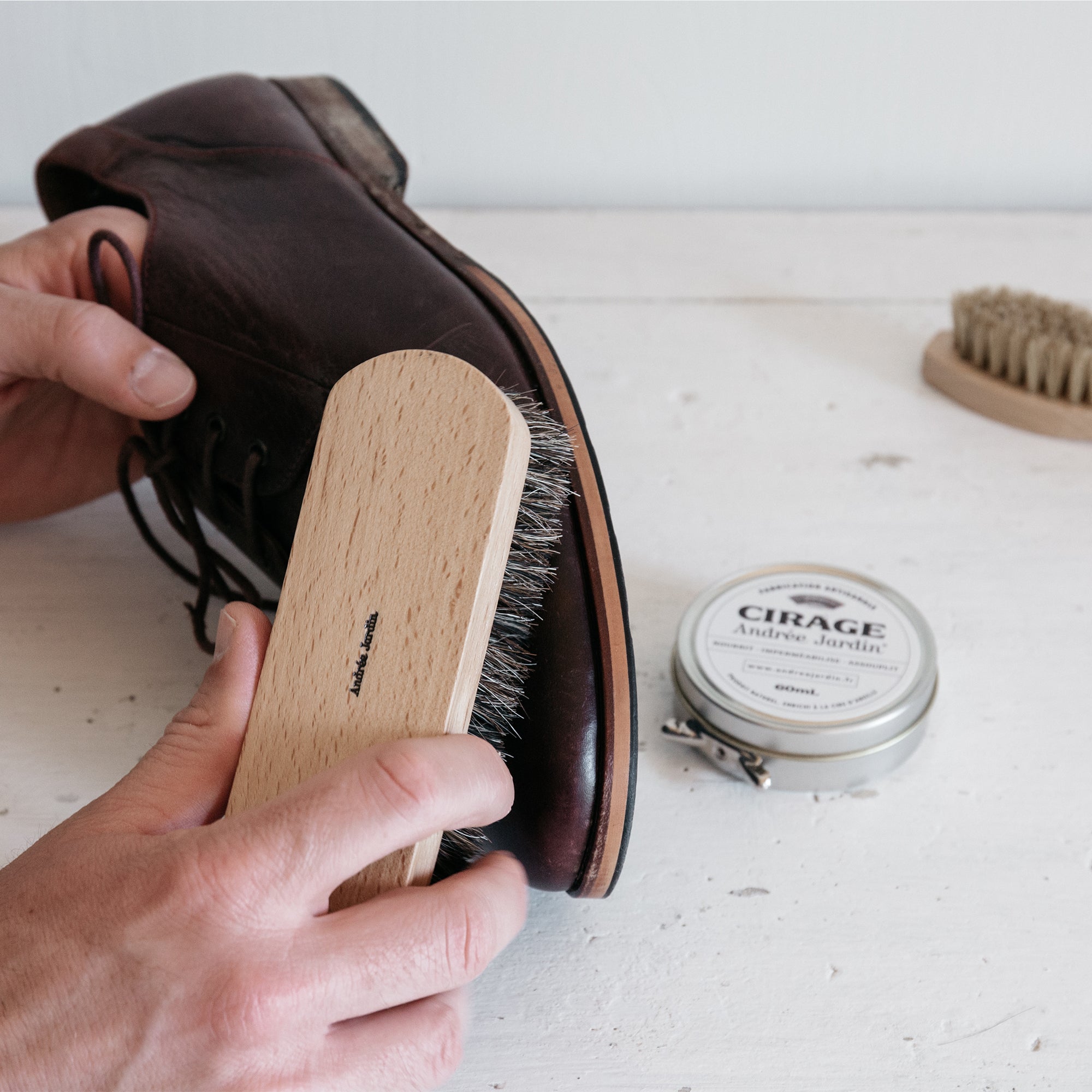
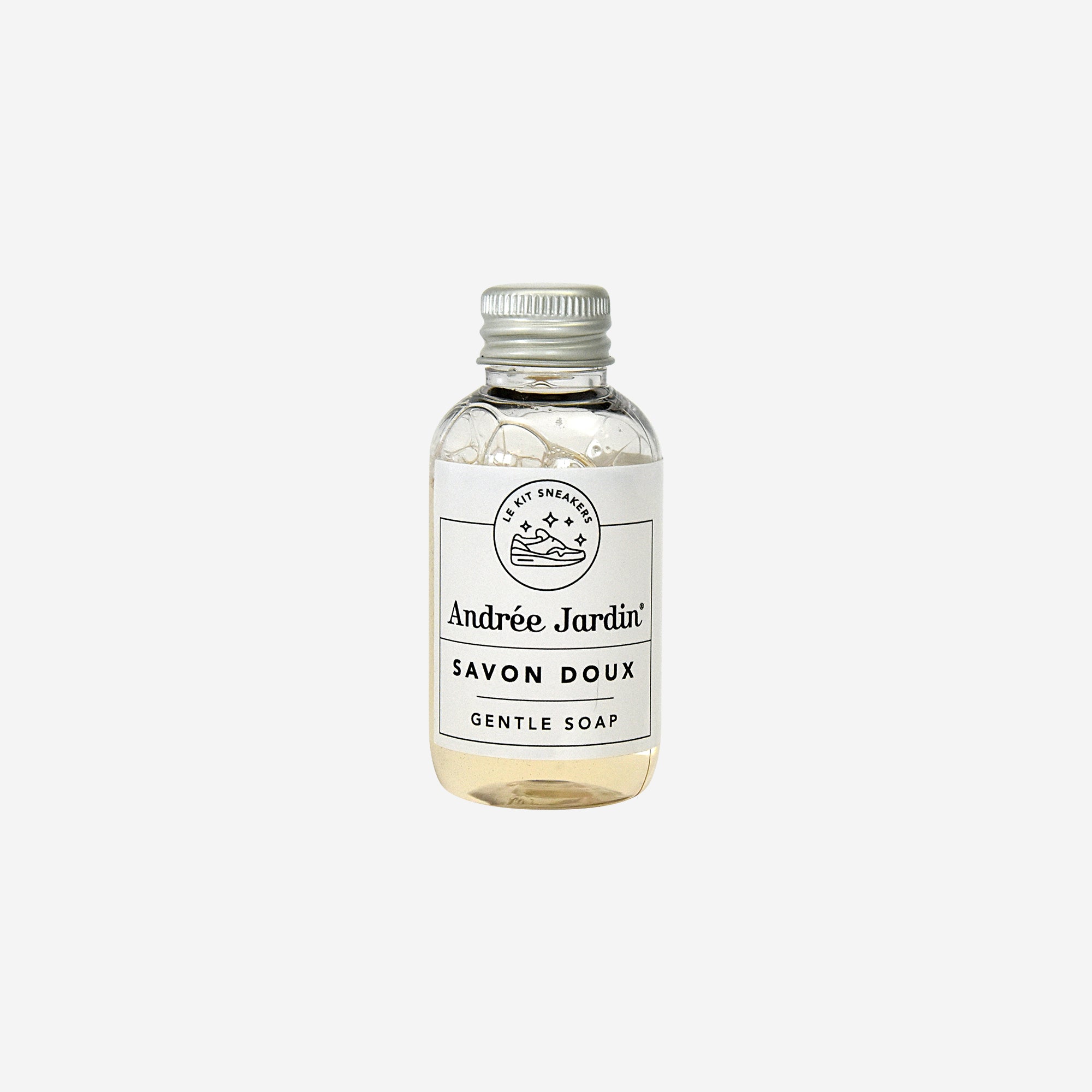
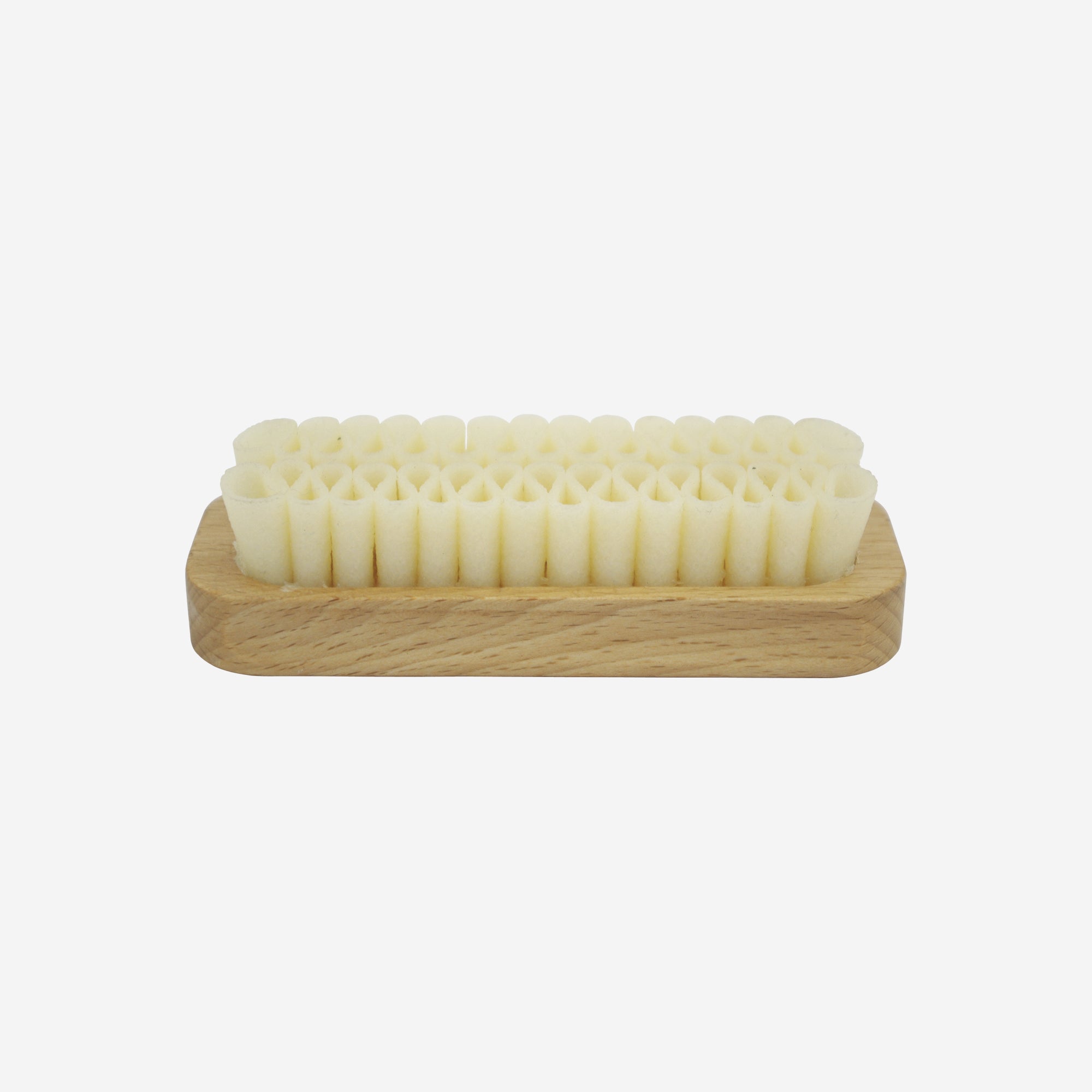
Gently cleaning leather: simple dusting with a suitable brush or a chamois can remove everyday dirt. For a more thorough cleaning, a specific soap can be used, without ever damaging the surface.
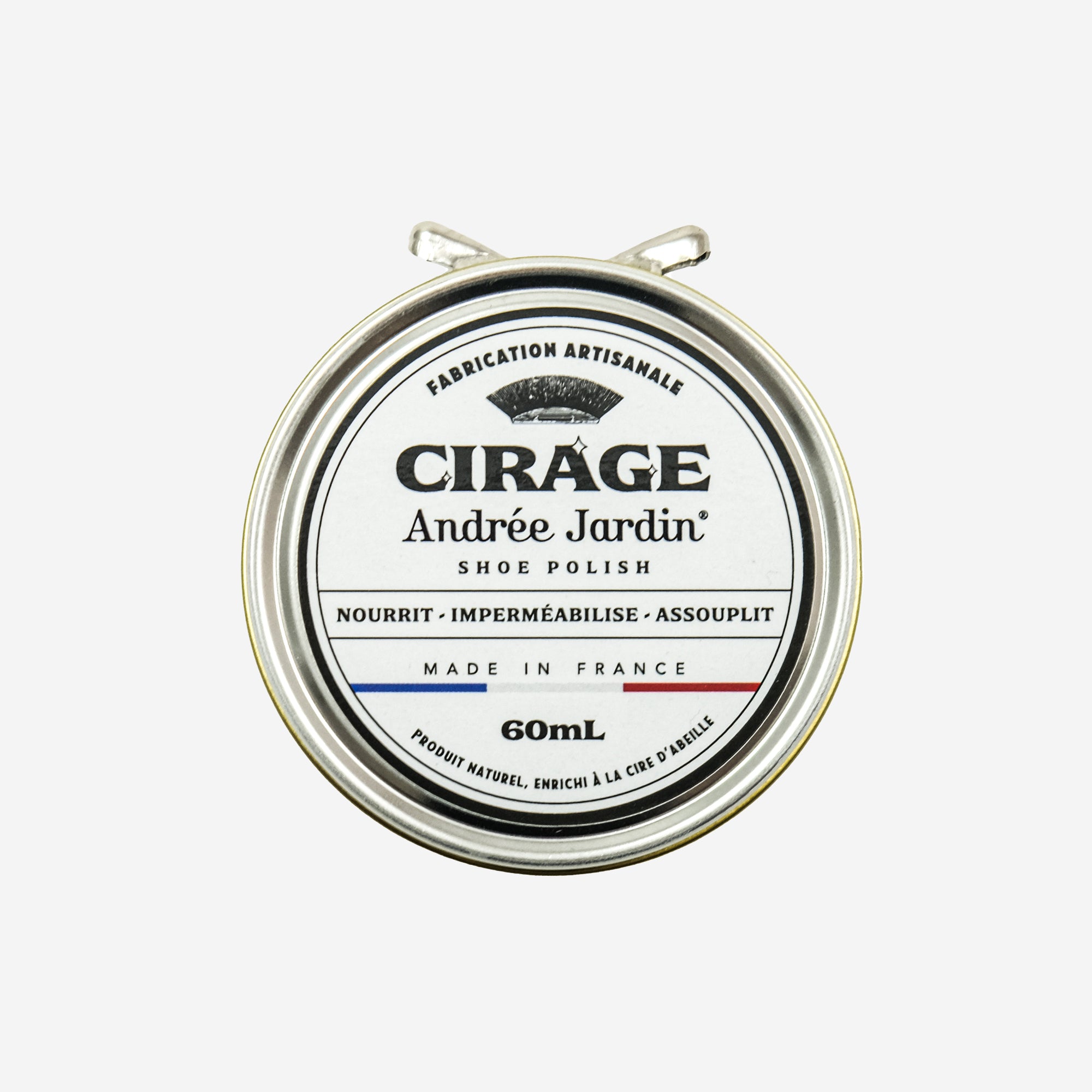
Nourish and protect leather: once clean, leather must be nourished to maintain its suppleness. Shoe polish allows you to: revive the color nourish the material add shine. Finally, a waterproofing agent provides long-lasting protection against water and stains. Always test a product on an inconspicuous area before application.
What to avoid to prevent damaging leather
Leather is a living material, sensitive to mistreatment. Certain errors can irreversibly damage it:
- Abrasive or aggressive products: these alter the surface, dull the color, and can remove the finish
- Excessive heat (sun, radiator): leather dries out, loses its suppleness, and can crack
- Solvents or unsuitable products: alcohol, nail polish remover, or household cleaners deeply damage the material
- Excessive rubbing: this marks and weakens the leather
Always opt for gentle, regular, and appropriate care to preserve the appearance and suppleness of the leather in the long term.